
Loyalty programs for small restaurants: a practical guide that starts with one card
22 September 2026
A customer who visited once and never came back is not a lost customer, they are a customer who was never given a reason to return. A loyalty program is that reason, provided it is simple enough to understand in two seconds and rewarding enough to remember.
Why most programs fail
Because they are complicated. Points turn into tiers that turn into conditional discounts. Customers do not carry calculators. The golden rule: if you cannot explain your program in one sentence, it is too complex.
"Order five times, the sixth is free" is understood instantly. "Collect 500 points for 15% off selected items" is neither understood nor remembered.
Pick one goal
A loyalty program answers one question: what do I want the customer to do more of? If you want more visits, the goal is a number of orders. If you want bigger orders, the goal is a spend amount within a period. Do not mix both in one program.
Choose a reward the customer actually wants
The best reward is a popular item from your menu, not a percentage discount. "Your sixth coffee is free" beats "20% off" because the customer pictures the coffee rather than computing a percentage. Do your own math too: one free coffee against five paid visits is a clear win.
Do not rely on a paper card
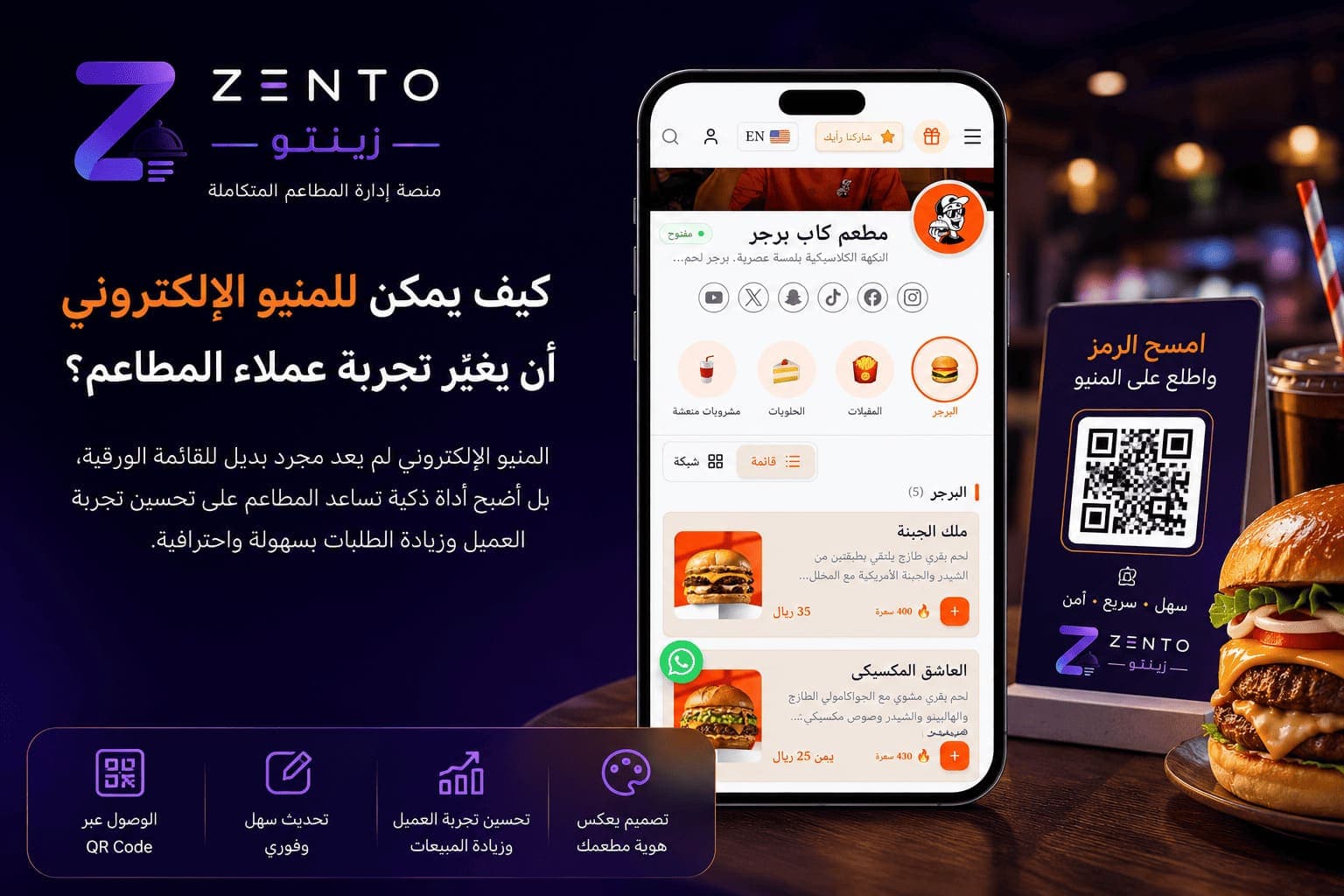
Cards get forgotten at home or lost, and you never know who holds one. When a customer signs up on your digital menu with their phone, completed orders count automatically, they watch their own progress, and you see your list of registered customers and how often each one returns.
Measure one thing: the return rate
Of all the customers who registered this month, how many ordered a second time within thirty days? That number is the success metric of your program. If it is under 20%, the reward is too weak or too far away. Bring the goal closer (three visits instead of five) or make the reward bigger, then measure again.
Start this week
One goal, one reward, one sentence on the table and in the menu: "Sign up with your phone number, your sixth order is free". Everything after that is refining something that already works.